
What Steam Does to Food—and When It Helps
A closer look at how steam carries heat, shapes texture, and where dry heat still matters.
Long before countertop steam ovens arrived, some home cooks were already turning to steam. A 1921 community cookbook preserved by the Library of Congress records brown bread steamed for three hours in a covered tin set in a pot of water. On the New England coast, clam steaming offers another window into home cooking. The Massachusetts Division of Marine Fisheries notes that clams were eaten long before the Pilgrims arrived and includes a recipe for preparing them at home.
Home cooks often relied on a pot, a steamer basket, or a covered tin or mold to manage steam, but timing and results could vary. OUNIN brings this time-tested cooking idea into a more guided countertop routine: Steam helps keep food moist; Steam Bake adds moisture so bread can rise before its crust sets; and Steam Roast pairs steam with roasting heat for a browned exterior and juicy center. Together, these modes give home cooks another way to balance moisture and browning in one oven, with dry heat ready when a crisp finish matters.
How steam cooks—and what it changes
Steam begins as water heated into vapor, which carries energy through the cooker. When that vapor reaches a cooler food surface, some of it condenses back into liquid and releases latent heat. The released energy warms the surface. This condensation is one reason steam transfers heat effectively, as Oklahoma State University Extension explains. Steam transfers heat to the exposed surfaces; from there, conduction carries it inward. Food thickness and cooking time still affect how evenly the center warms.
Because the surrounding air is humid, the surface loses moisture more slowly than it would in a dry cooking environment. That makes steam useful for foods where a moist, tender texture is part of the goal—such as fish, vegetables, dumplings, and custards. It is not a guarantee against overcooking: time and temperature still shape the final texture.
Why steam doesn’t get in the way of a crisp, browned finish
Moisture affects Maillard browning, the reaction behind much of the color that develops as food cooks—but it is not a simple rule that less water always means more browning. A peer-reviewed study in the Journal of Food Science, using intermediate-moisture food models, found that water activity alone did not predict browning; the food matrix mattered, too. In practical cooking, a persistently wet surface takes longer to dry and crisp. Steam supports a moist, tender finish, while roasting heat helps dry and color the surface. Of course, the OUNIN Steam Oven is designed to balance both.
How OUNIN puts steam to work
Once you understand what steam changes, choosing how to use it becomes clearer. OUNIN’s Steam Oven offers three ways to work with moisture and heat, each suited to a different kind of cooking.
Steam uses vapor as the main cooking heat, gently cooking foods such as fish, vegetables, dumplings, and custards. It’s a good choice when tenderness and moisture matter more than browning.
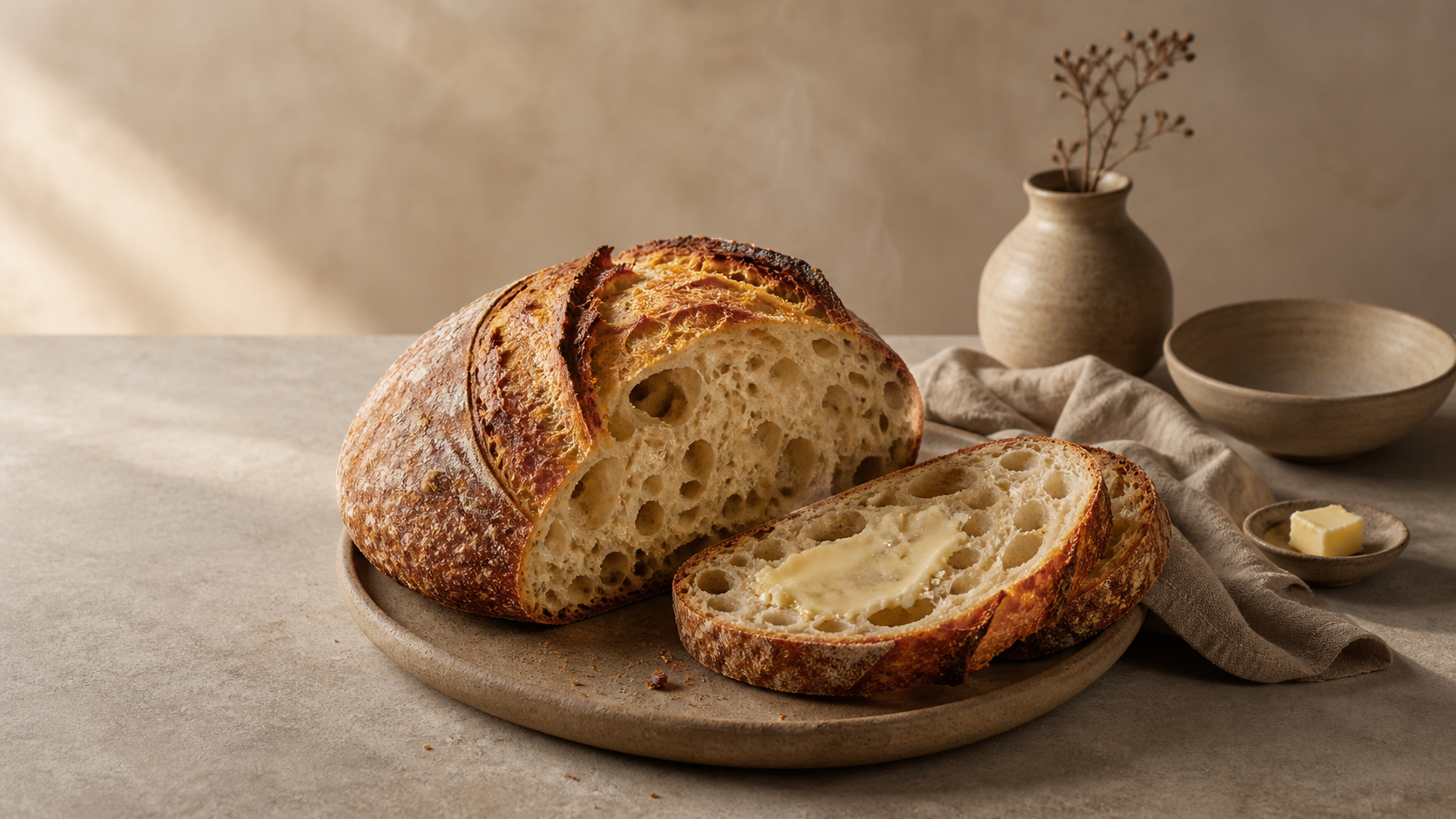
Steam Bake adds moisture as food bakes, giving dough time to rise before its crust sets. As baking continues, the heat helps the crust develop color and structure—useful when you want a tender interior with a well-finished crust.
Steam Roast pairs steam with roasting heat to help balance a juicy center with a browned exterior. Try it for roast chicken or wings when you want both in the same dish.
All three modes are available in the 12.7 QT, 19 QT, and 25.4 QT models, so you can choose the approach that fits the food and finish you want.
For practical examples of how those modes fit everyday meals, read our Steam Oven guide. To compare footprints and capacity, see the size guide.
Choose the mode that fits the meal.
Explore the OUNIN Steam Oven and find the size and cooking modes that fit your kitchen routine.
Explore the Steam OvenBrowse the OUNIN Recipe Collection