
What Makes a Steam Oven Different?
From roast chicken and bread to reheating leftovers, see how steam can help.
You know how you want dinner to turn out: chicken that stays juicy, bread that rises before the crust sets, leftovers that still feel worth saving. Getting there shouldn’t feel like a gamble. A steam oven gives you another way to guide the result.
Steam has a particular role in the oven: it adds moisture while food cooks. That can be helpful when a surface needs time to stay flexible or when a dish is easily dried by reheating. For crispness and a deeper browned finish, dry heat still matters. The useful part is being able to choose the kind of heat that suits what you’re making.
Steam Bake: give bread room to rise
In bread baking, steam is most useful while the dough is still expanding. Moisture helps keep the surface from setting too early, giving the loaf more time to rise before a firm crust forms. As the bake continues, heat develops the color and crust that make a loaf satisfying to slice and serve.
Steam Bake brings that moisture into the baking process. It can also be useful for foods that benefit from a gentler, more moisture-aware cook, such as chicken breast: the aim is to cook the center through while helping it stay tender. When a recipe calls for a drier or crisper finish, dry heat can take the lead.
Steam Roast: balance a browned surface with a tender center
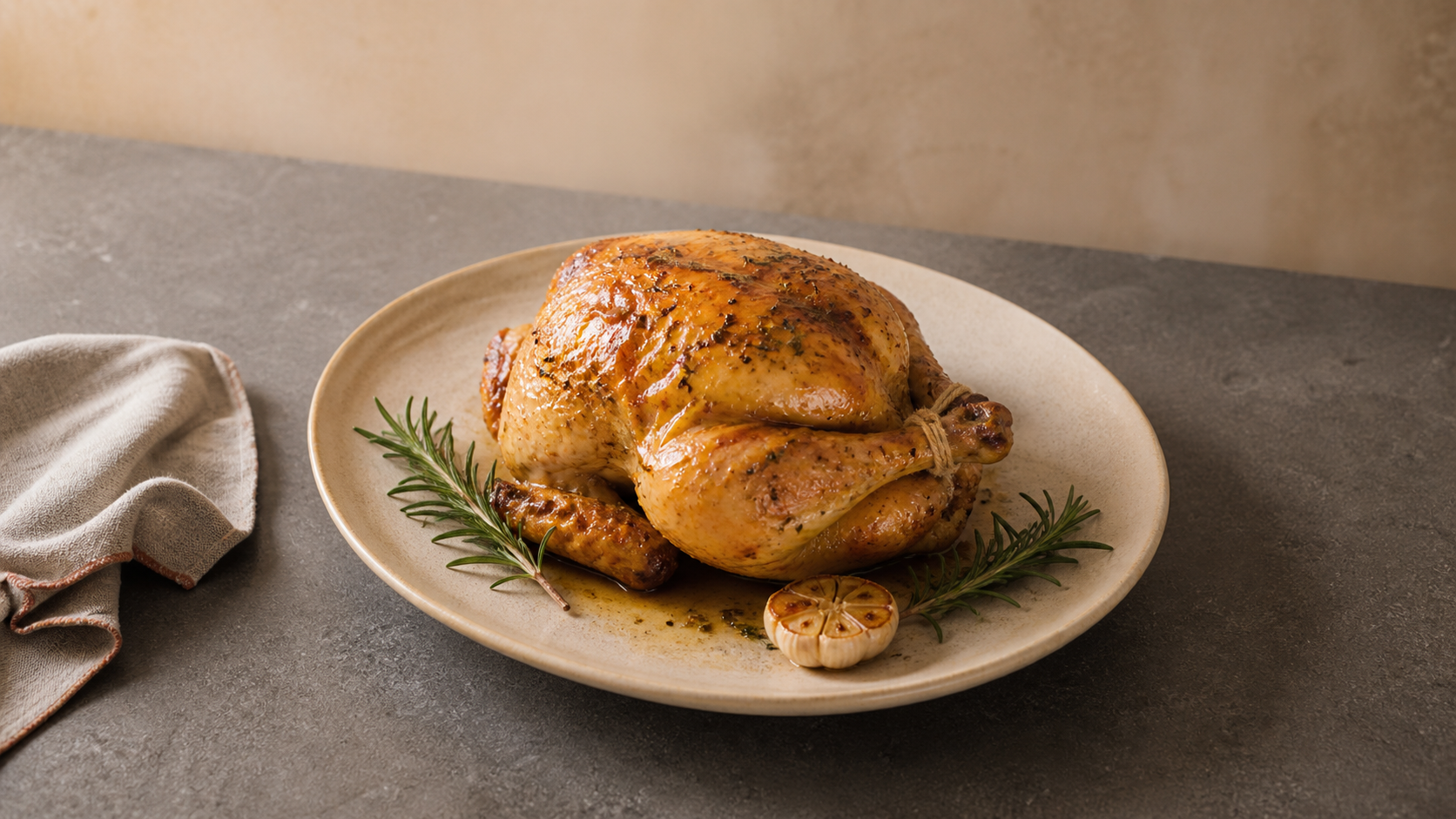
Roasting asks for two things at once: enough heat to develop color on the outside, and a center that remains enjoyable rather than dry. Steam Roast starts with a steam stage, then follows with roasting heat. It is an option for chicken or vegetables when you want moisture during cooking and color at the end.
Steam is not a shortcut to crispness on its own. The best mode depends on the finish you want: use Steam Roast when moisture is part of the goal, and choose a dry-heat mode when a fully crisp, dry surface matters most. That small choice can make the cooking method feel more intentional.
Reheat gently, then bring back the texture
Leftovers can be tricky: fish may turn dry, while pizza can lose the contrast between its warm toppings and crisp edge. For dishes that dry out easily, a suitable steam setting can add moisture while warming. Check the instructions for your oven and the food you are reheating before choosing a mode.
If you want more crispness after warming, a brief dry-heat finish may suit the dish. Think of steam as a way to protect moisture during reheating, then let the texture guide the final step.
Each mode has a place: Steam Bake supports bread and moist bakes, Steam Roast brings steam together with high heat, and dry heat helps when browning or crispness is the priority. After cooking, the steam-clean cycle helps loosen grease in the stainless-steel cavity, making routine cleanup more straightforward.
Make weeknight cooking feel more certain.
Find the Steam Oven size and cooking modes that fit your kitchen and the way you cook.
Explore the Steam OvenBrowse the Ounin Recipe Collection