Brand Belief
Cooking is a craft.
The instrument should serve the craft. Not narrate it, not gamify it, not turn the kitchen into a dashboard.

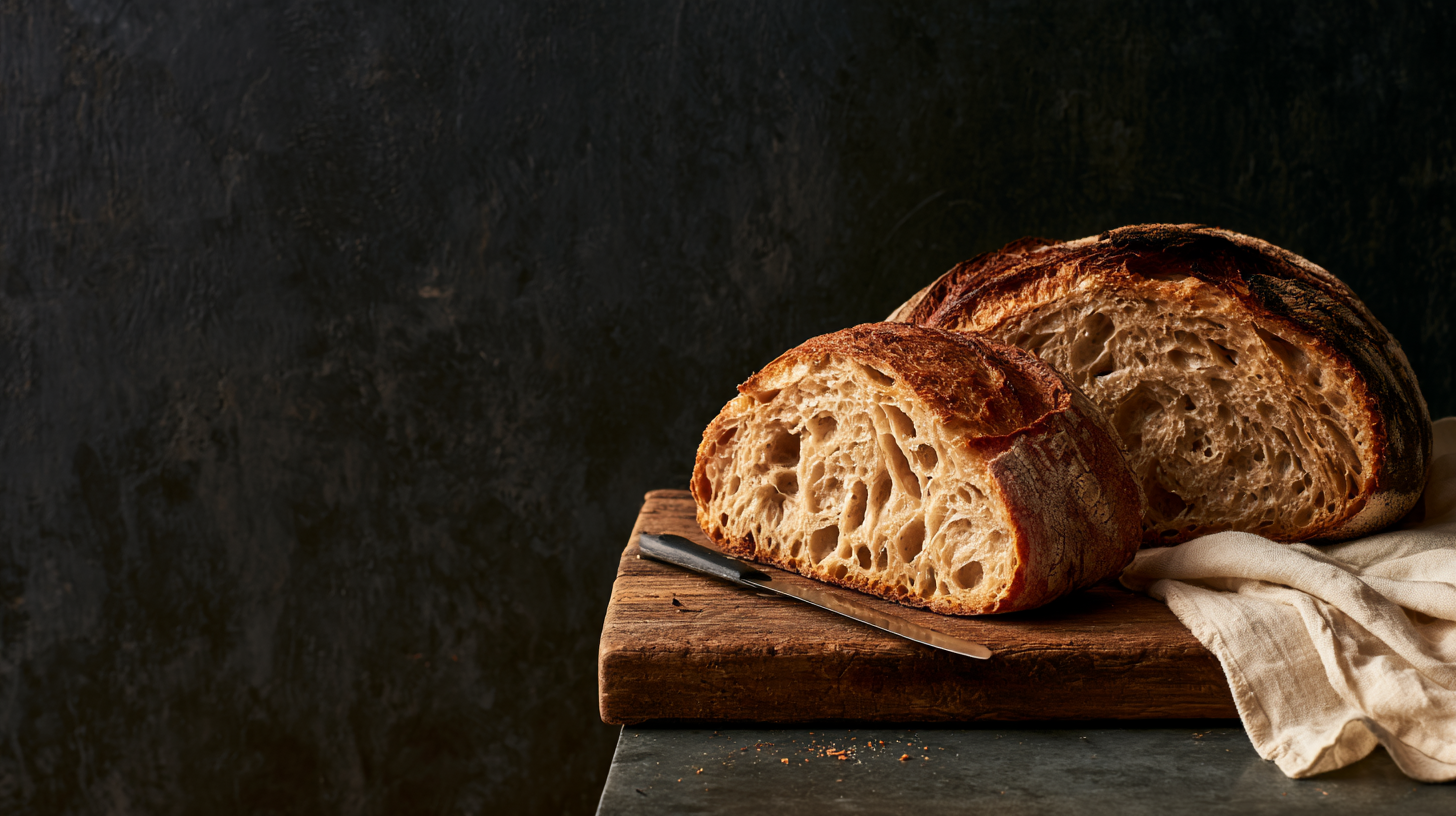
We started Ounin because every home cook we knew had the same complaint about their oven: it lied.
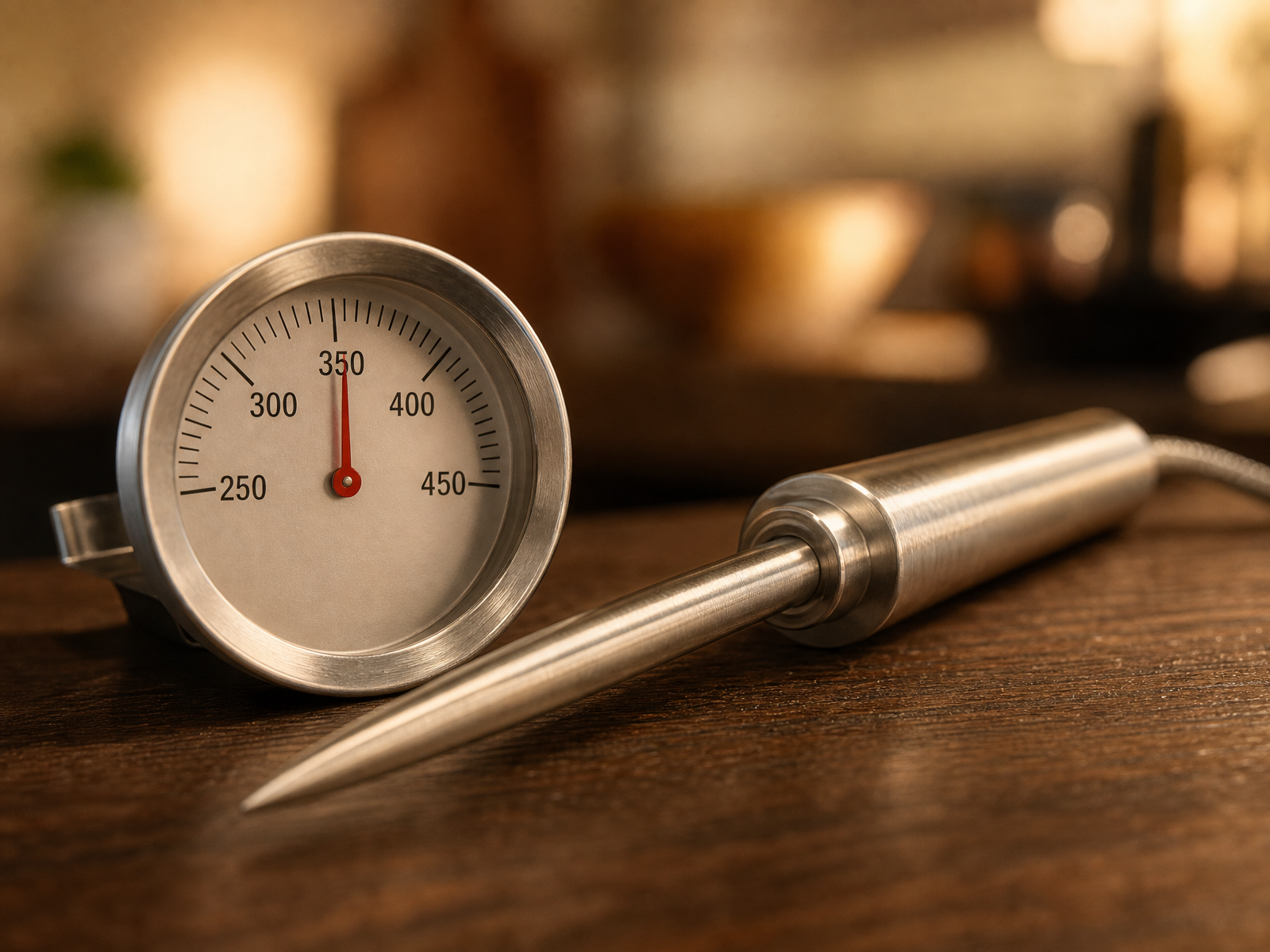
Set it to 350°F. The cavity reads 330°F in the front, 385°F in the back, drops to 285°F every time the door opens. The cookies on the top rack come out the color of overcast morning. The ones on the bottom come out the color of yesterday’s toast. The Sunday roast — the one you’ve practiced four times — is somehow always different.
Nobody is “bad at cooking.” The instrument is bad at being an instrument.
Ounin didn’t start from scratch. We started from twenty years of asking one question of every oven that came through the lab: why does this one fail? Every answer became a fix. Every fix became a standard. By the time we put our own name on the door, the answers were already built in.
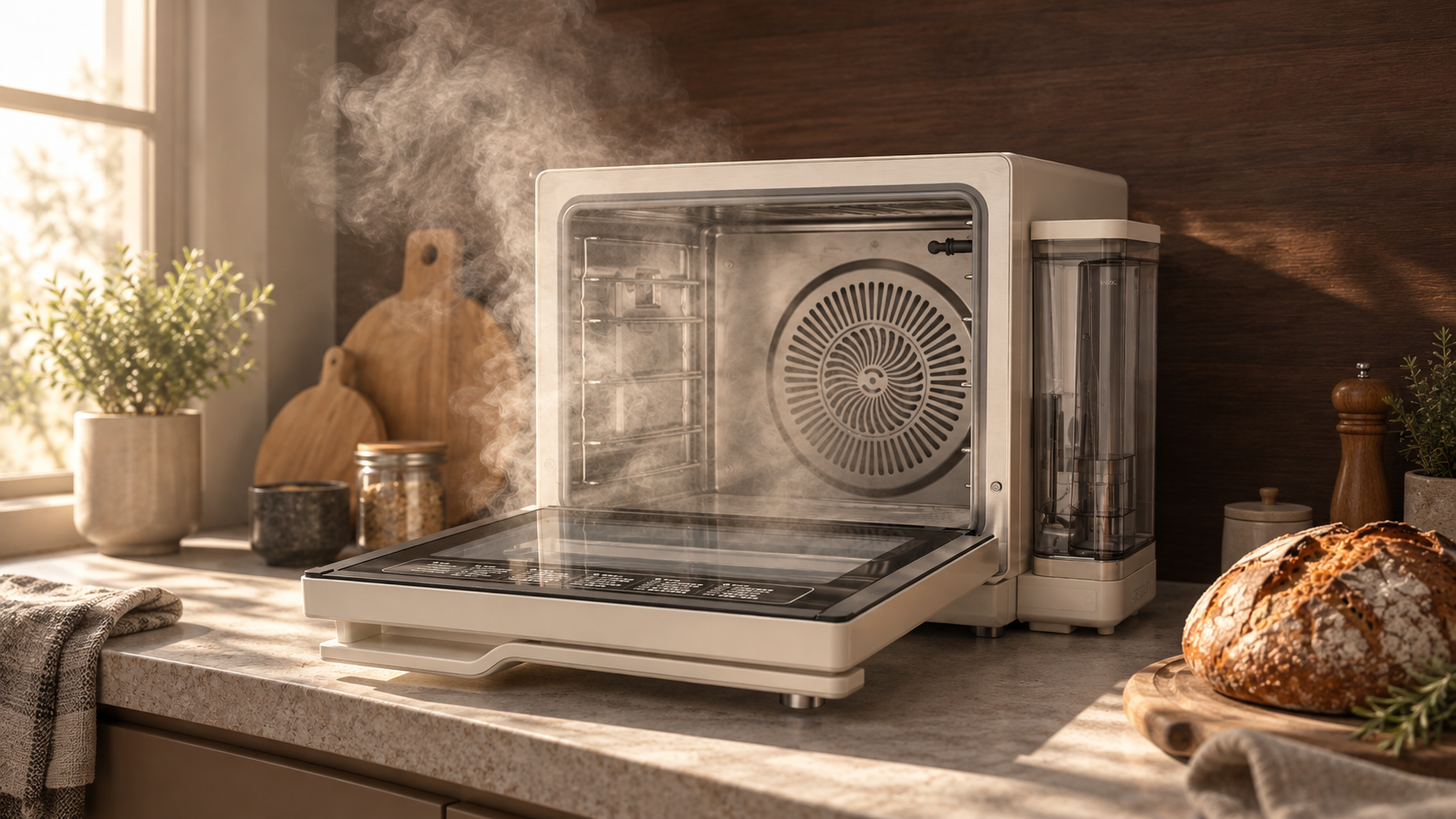
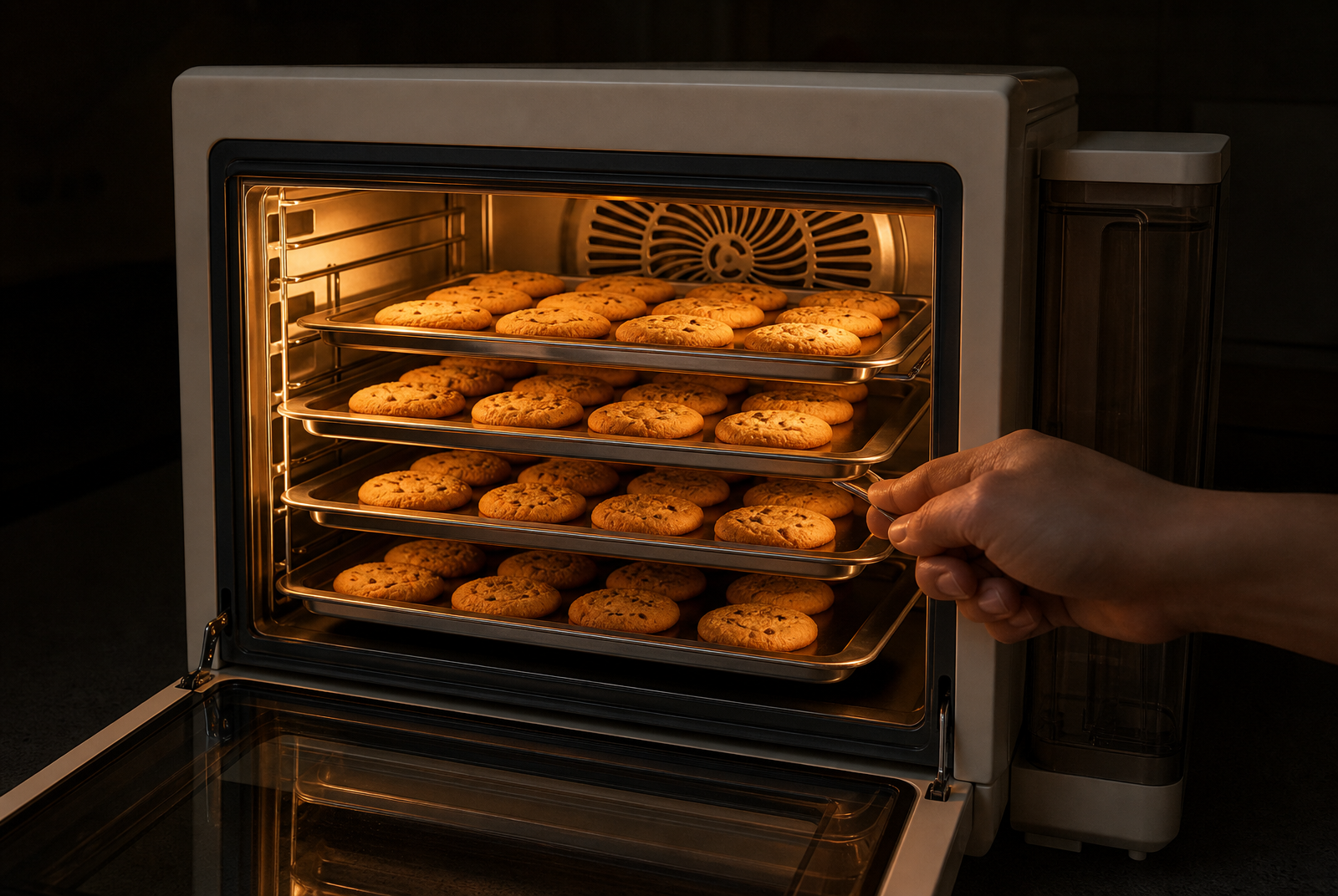
So we built an oven that does one thing: keep the contract it makes with the dial. If you set 350°F, you get 350°F — edge to edge, top to bottom, before the door opens and after it closes. After preheating, temperature control stays within ±9°F of the set point. For flat bakes such as cookies, you can cook on up to four racks at once, leaving room above each tray for airflow. If you ask for steam, you get measured steam, not a sauna.
We do not call this “smart cooking.” We call it engineering.
The temp is the temp you set. Steam arrives exactly when it should, exactly as much as it should. The whole process runs on a precisely programmed curve — what goes in, you know what comes out. Not mystery. Not magic. Just physics. Every batch counts.
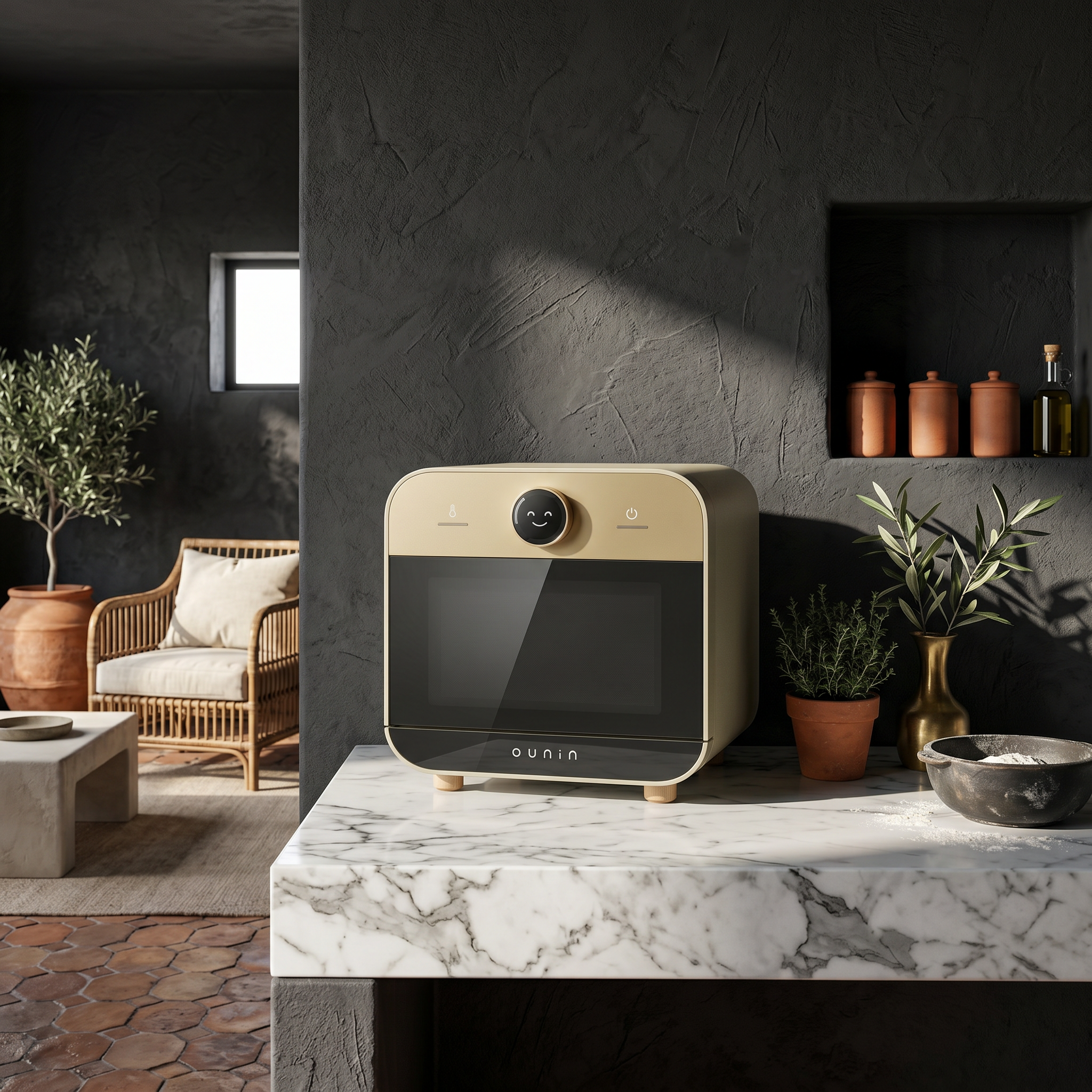
We do not call it “smart cooking.” We call it engineering.
The instrument should serve the craft. Not narrate it, not gamify it, not turn the kitchen into a dashboard.
Calibrated to ±5°C (±9°F) — the temperature you set is the temperature you get. Verified before it ships. Same result today and a year from now, on the first batch and the fiftieth.
Looking good is necessary. Lasting is more necessary. We don’t make appliances that need replacing in three months because the hinge wore through or the touchscreen flickered. Reliability comes from professional after-sales support.
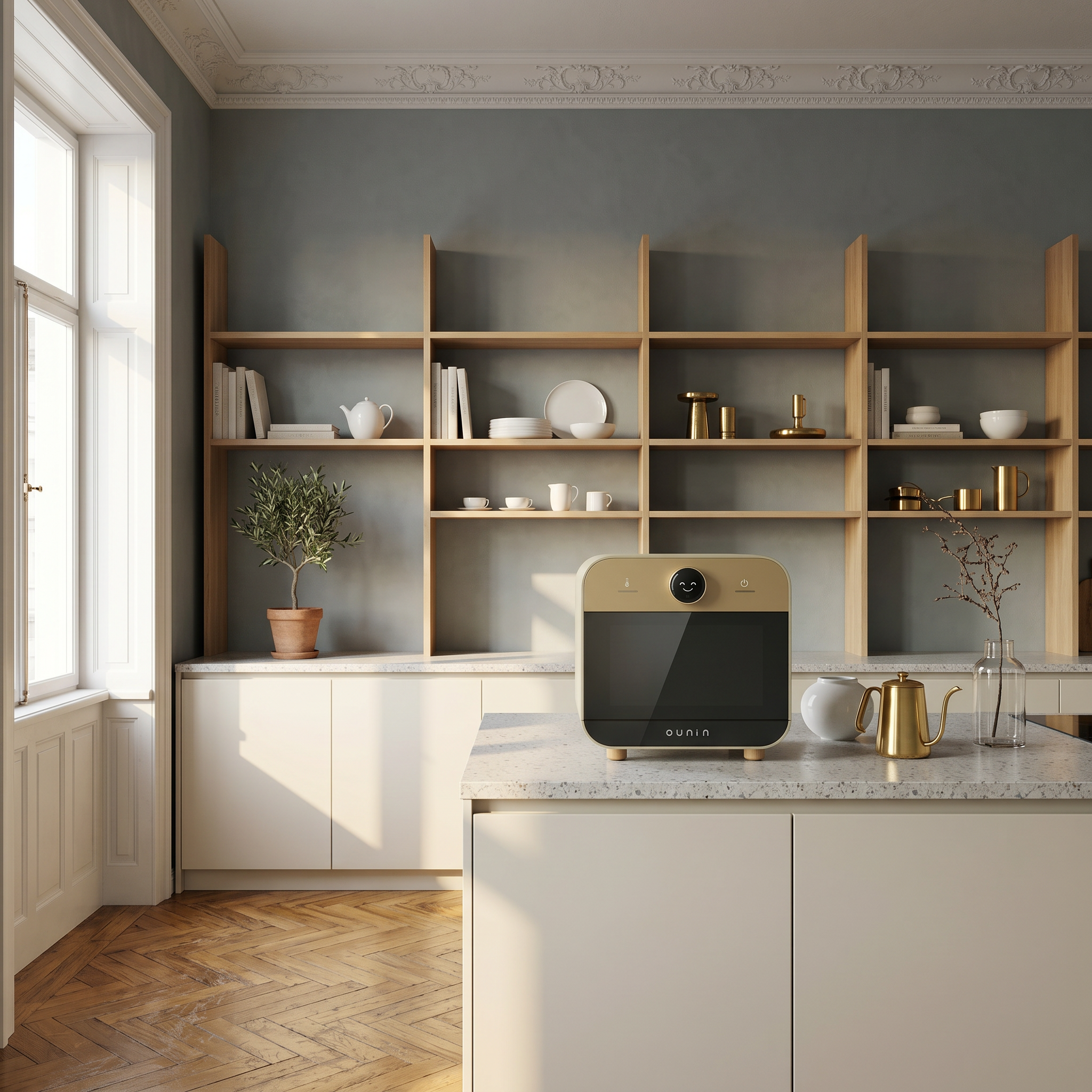
We don’t use “steam” as a marketing word. It’s a controlled humidity pulse, calibrated to the bake.
Perfection is a brittle promise. Predictability is a contract. We pick the contract.
Built-in ovens need dedicated cabinetry. Ours needs just a suitable outlet. Designed to fit different kitchens, it’s as easy to set up as it is to use.
A convection fan tuned to hum, not roar. Controls that respond the first time. No chime medley when the cycle ends — the timer ringing is enough.
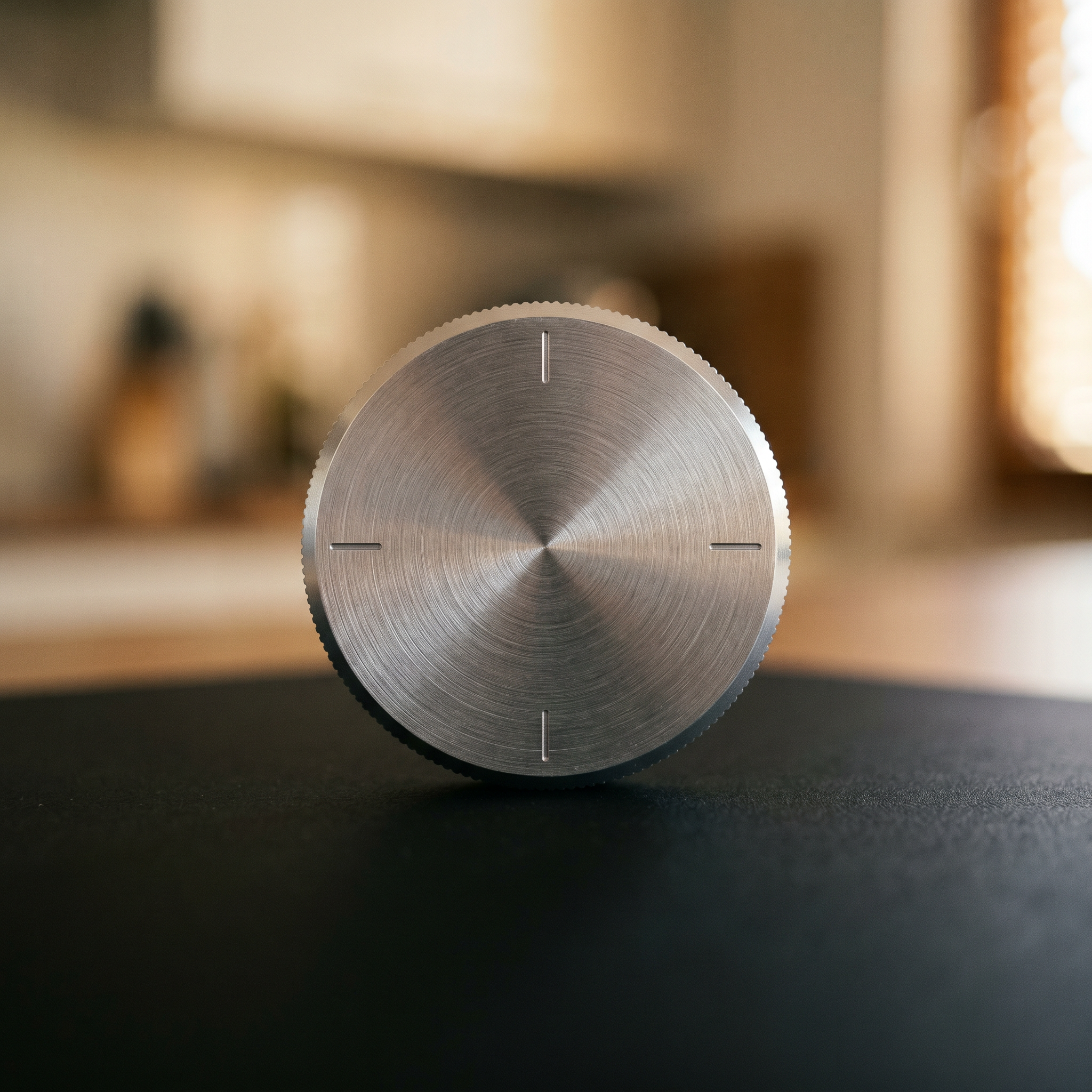
Calibrated temperature loop, verified at production.
Bake cookies on up to four racks at once. Leave room above each tray for airflow.
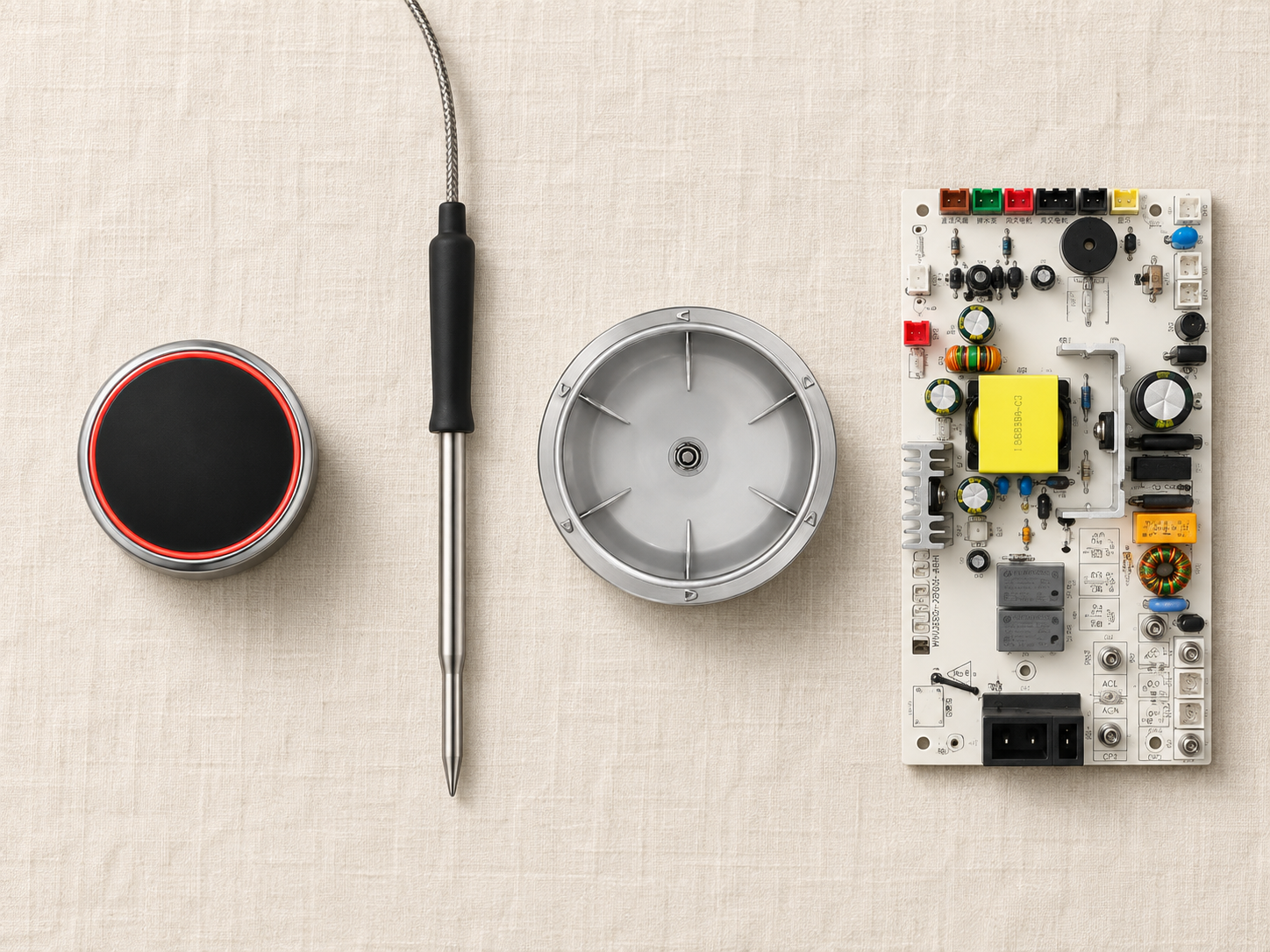
One temperature sensor monitors the cavity; two monitor the evaporator and steam tray.
From glazed fish to tender shrimp, the right method brings each dish together.
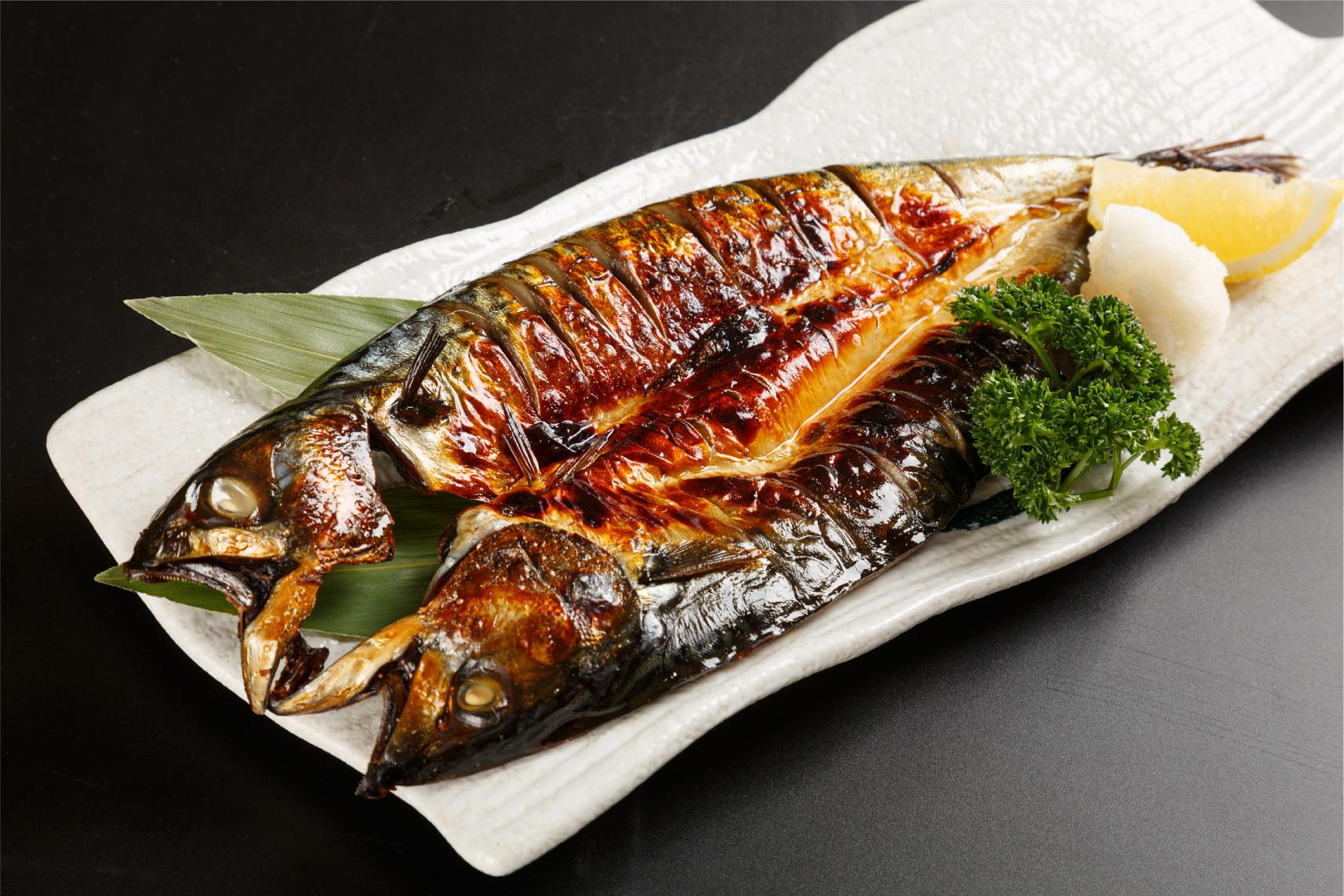
Air Fry browns the glaze as you turn and brush the fish during cooking.
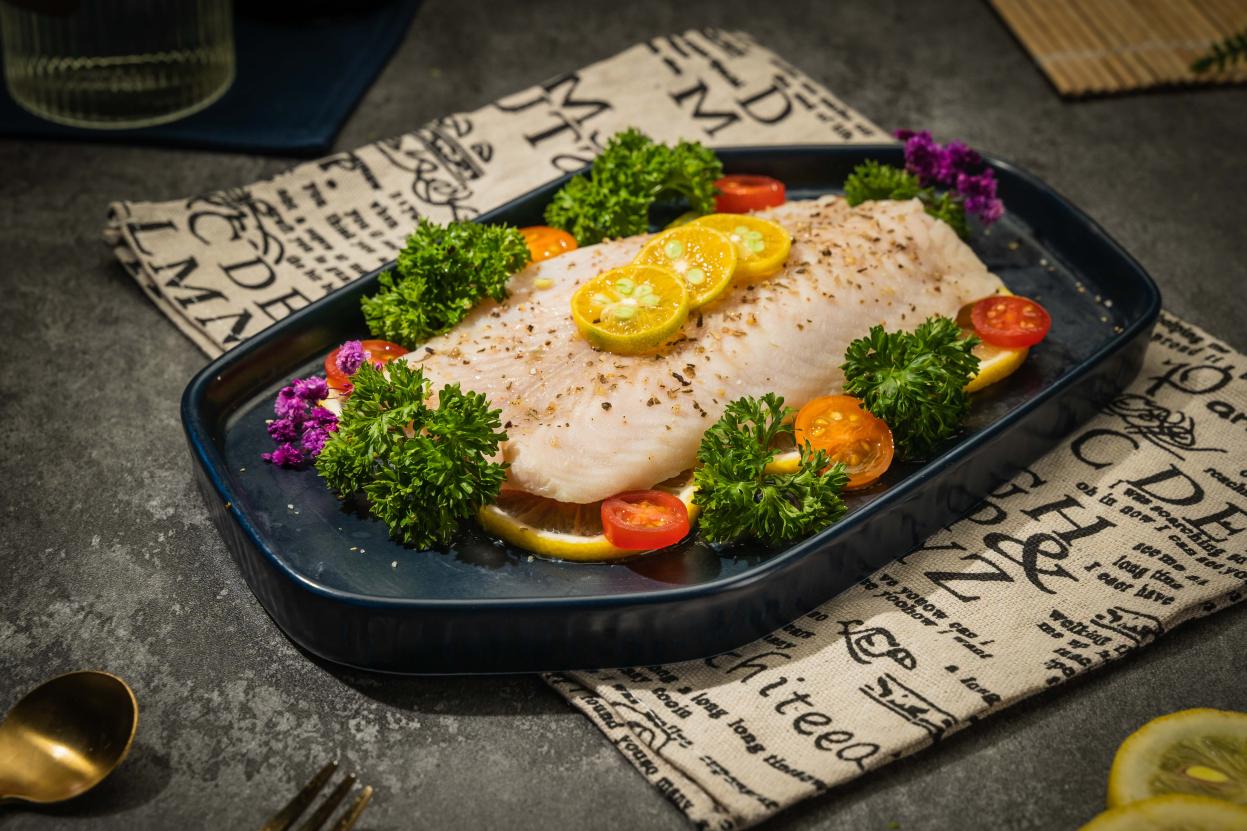
Rapid Steam cooks the fillets over lemon and onion, with no added oil.
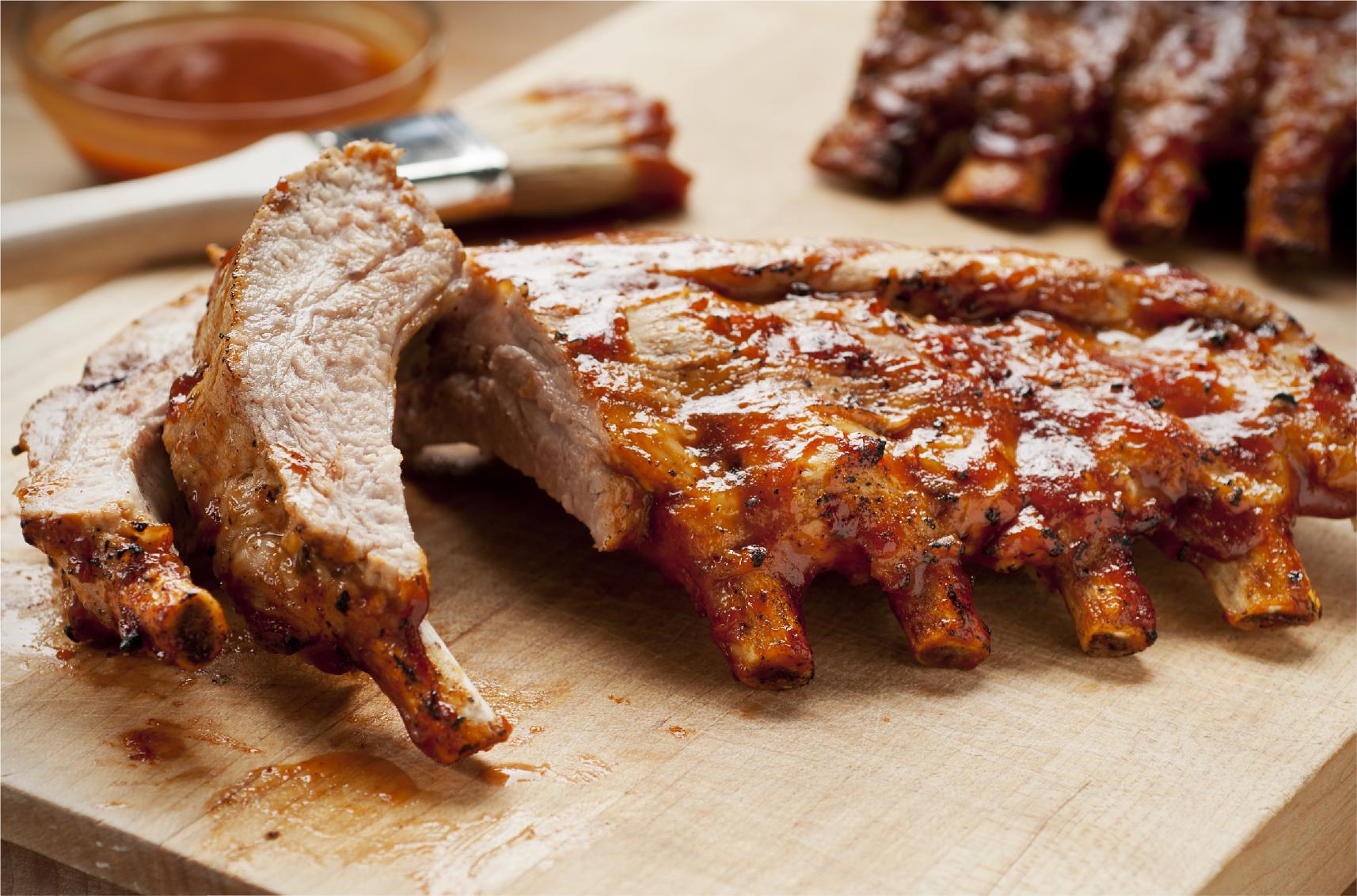
Marinated with garlic, soy and a little syrup, then cooked on Steam Bake for a savory-sweet finish.
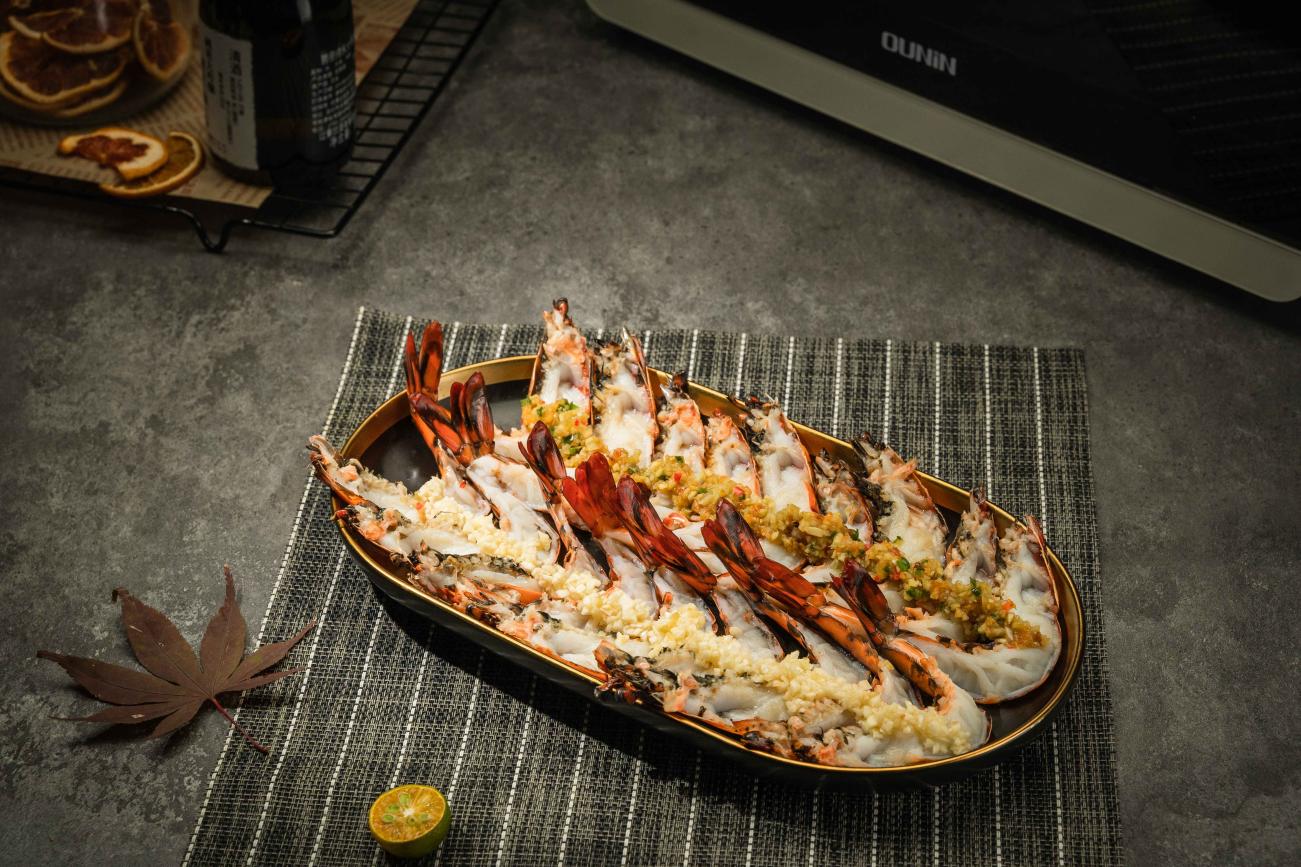
Rapid Steam cooks the shrimp until opaque; garlic, scallions and soy sauce finish the dish.
“It’s the first oven I’ve had where the recipe just works the second time.”
— The promise we work to keep, in a home cook’s words
Cook with confidence.